


Crafting orders have evolved beyond simple transactions into social interactions that build long-term reputation. Reliability, quality, and communication now matter as much as crafting skill, turning fulfillment into a form of social capital.
Over time, crafters become known not just for what they make, but for how they operate.

From Anonymous Crafting to Visible Service
Traditional crafting was largely anonymous. Buyers rarely knew who made their items, and trust played a minimal role.
Order systems introduce visibility and accountability.
Reputation Built Through Consistency
Fulfilling orders quickly and accurately builds recognition. Players remember crafters who deliver reliably during peak demand.
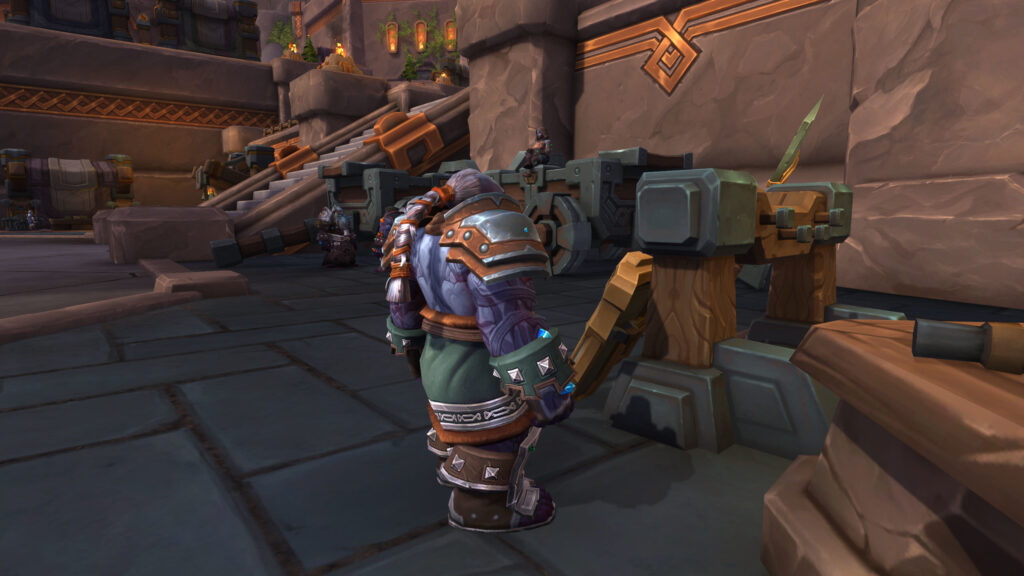
This consistency becomes a competitive advantage.
Behaviors That Strengthen Crafter Reputation
Social reputation grows through repeated positive interactions.
- Clear communication about costs and outcomes
- Delivering high-quality results consistently
- Respecting deadlines during progression periods
- Helping clients understand their options
Trust compounds over time.
Economic Benefits of Strong Reputation
Reputable crafters attract repeat clients and private orders. Demand becomes stable rather than sporadic.

This stability reduces reliance on volatile markets.
Social Identity Within Capital Cities
Over time, known crafters develop recognizable identities. Names become associated with specific crafts or specializations.
This recognition strengthens the social fabric of crafting hubs.
Conclusion

Crafting order fulfillment has become a social reputation system where trust, reliability, and communication define success. By turning transactions into relationships, modern crafting rewards professionalism as much as technical skill.